

Motorcycle Season in Missoula: How to Protect Your Rights After a Crash on US-93 or I-90
Every year, nearly 5,000 motorcycle riders are killed in crashes across the United States, and more than 80% of all motorcycle accidents result in injury or death. If you ride the scenic stretches of US-93 or I-90 near Missoula, you already know the risks, and you deserve a Missoula motorcycle accident lawyer who understands them too.
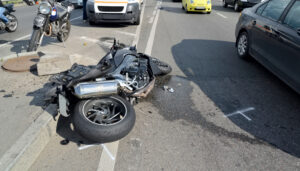
Why Missoula Riders Face Serious Risks
Montana’s open roads attract motorcyclists from across the region, but those same roads can be unforgiving. Common causes of motorcycle accidents include drivers who fail to notice riders, sudden weather changes that reduce reaction time, and poor road conditions. Over two-thirds of motorcycle-car crashes occur because a driver failed to see the motorcyclist in time.
Motorcycle riders are especially vulnerable because they lack the structural protection that surrounds car occupants. A single crash can cause severe injuries, including broken bones, road rash, head injuries, traumatic brain injuries, and spinal trauma, all of which can disrupt daily life for months or years.
Montana Laws Every Rider Should Know
Montana law directly shapes what happens after a motorcycle crash. Here are the key rules to understand:
Helmet Use
Montana requires helmet use for riders under 18. For adult riders, helmet use is optional, but the absence of a helmet can factor into how insurers and courts assess your injuries.
Comparative Fault
Montana follows a modified comparative fault rule. Even if you share some fault for the accident, you can still recover compensation, reduced by your percentage of fault, as long as you are less than 51% at fault.
Statute of Limitations
Under Montana law, you have three years from the date of injury to file a personal injury claim. Missing this deadline means losing your right to pursue compensation.
Traffic Laws
Riders must comply with all Montana traffic laws, including lane usage rules. Unlike some states, Montana does not permit lane splitting, so fault determinations in those situations can be complex.
What to Do After a Motorcycle Accident
The steps you take right after a crash can make or break your personal injury case. Here is what matters most:
- Seek medical attention immediately. Even if injuries seem minor, some conditions, like traumatic brain injuries or internal bleeding, are not immediately obvious. A medical evaluation creates records that support your claim.
- Gather evidence at the scene. Take photos of the crash, your injuries, road conditions, and any vehicle damage. Collect insurance information and contact details from all involved parties, including witnesses.
- Get police reports. A police report documents the facts of the accident and can help determine fault later.
- Do not give recorded statements to the insurance company. Insurers are motivated to minimize payouts. Anything you say can be used to reduce or deny your claim.
- Contact a motorcycle accident lawyer as soon as possible. Early legal representation by an experienced legal team protects your medical records, preserves evidence, and gives you the best chance at a fair settlement.
What Compensation Can You Recover?
A successful personal injury claim can include compensation for medical bills, medical expenses for future treatment, lost wages, lost income during recovery, physical pain and suffering, emotional distress, and property damage. In the most tragic cases, fair compensation may include wrongful death damages for a surviving family member.
Insurance companies routinely pressure riders into accepting a low settlement before the full medical costs are known. A skilled attorney negotiates from a position of strength, especially when prepared to take the case to court. A final settlement that reflects your real losses, not a rushed offer, is the goal.
Motorcycle Accident FAQs
Do I need a lawyer after a motorcycle accident?
If you suffered serious injuries or the other party disputes fault, yes. Legal representation levels the playing field against experienced insurance adjusters.
What is the hardest injury to prove?
Soft tissue injuries and emotional distress are among the most difficult, because they do not always appear on imaging and rely heavily on medical records and testimony.
At what point do most personal injury cases settle?
Most personal injury cases settle before trial, often after the full extent of injuries is documented and both sides have exchanged evidence.
Talk to a Missoula Motorcycle Accident Lawyer Today
You should not have to navigate the legal process alone while recovering from a crash. Our legal team offers a free consultation to review your case, explain your legal rights and legal options, and help you pursue the compensation you deserve. Contact our Missoula office to get started.