

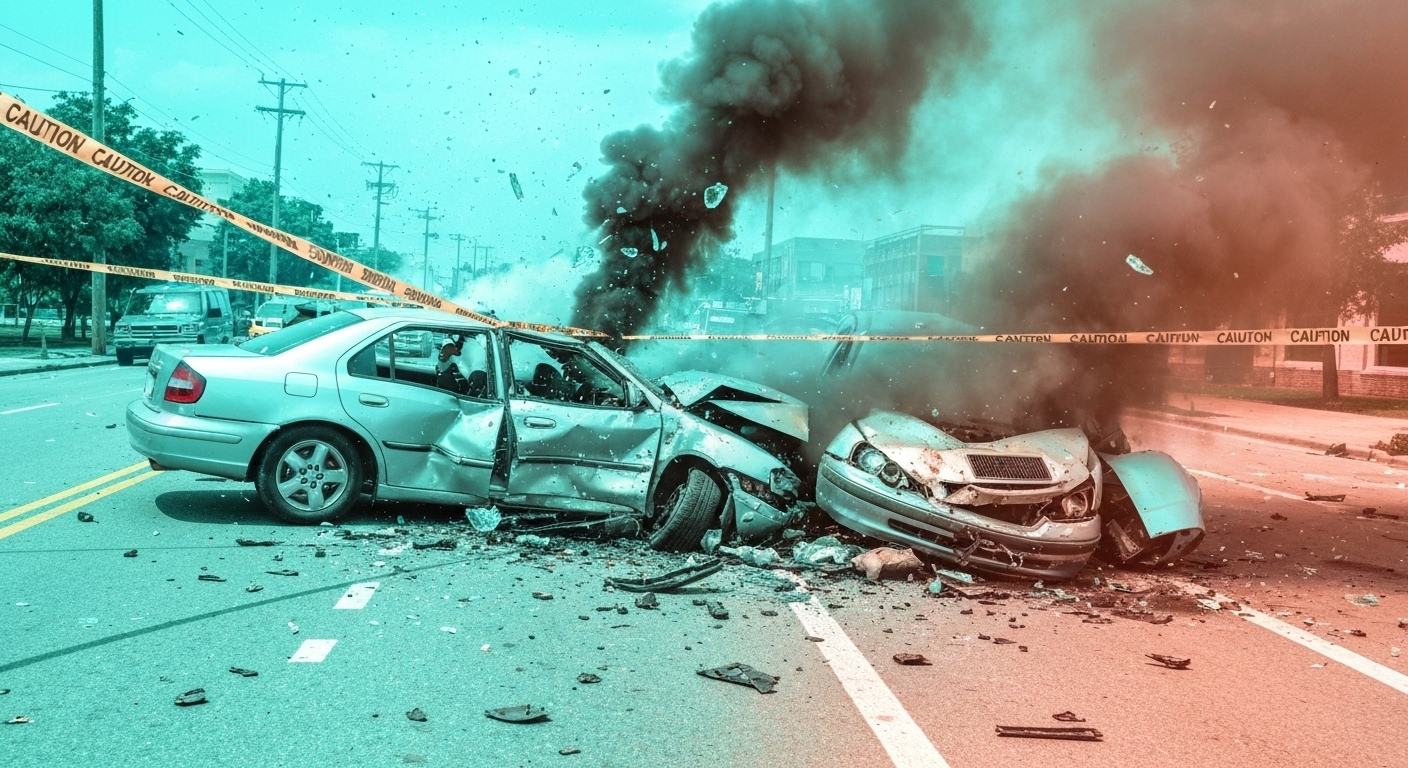
Side-impact crashes are sudden and violent. In a T-bone collision, one vehicle strikes the side of another, often at intersections. These crashes can cause devastating injuries, totaled cars, and stressful insurance disputes. To secure a fair T-bone accident insurance claim payout, it’s essential to have a clear strategy from the outset.
At Lowe Law Group, we have guided thousands of clients through the claims process after catastrophic crashes. Our attorneys are familiar with the tactics insurers use to minimize payouts, and we work to secure full compensation. In this guide, we break down the most essential T-bone car accident insurance claim tips. You will learn how fault is determined, what evidence strengthens your claim, how damages are calculated, and when legal representation becomes essential.
Key Takeaways About T-bone Accident Insurance Claim
- Determining fault is critical. Liability in T-bone crashes depends on right-of-way, signals, and credible evidence.
- Gather evidence early. Photos, reports, and medical documentation can make or break your claim.
- Calculate all damages. Include medical bills, lost income, pain and suffering, and property losses.
- Handle adjusters with caution. Avoid quick settlements or recorded statements without legal advice.
- Know when to call a lawyer. Legal help is vital when fault is disputed, injuries are severe, or offers are too low.
Determining Fault in a T-Bone Collision
Fault usually comes down to who had the right of way and who violated a traffic rule. Intersections with stop signs and lights create a record of who should have yielded the right-of-way. When signals are flashing, obstructed, or absent, witness statements, skid marks, debris, and video recordings become critical.
Consider this example: A driver runs a red light and collides with your car. While liability seems obvious, if you were also speeding, the insurer may argue that you share part of the blame. Comparative fault rules can reduce your payout even when the other driver clearly violated traffic laws.
According to the AAA Foundation for Traffic Safety, T-bone or 90-degree angle crashes account for nearly 28% of all fatal two-vehicle crashes. That statistic highlights the danger of these accidents and the importance of precise fault determination.
If you need help proving liability, our car accident lawyers know how to secure traffic signal records, black box data, and expert crash reconstructions.
Gathering Evidence to Strengthen Your Insurance Claim
Insurance companies rely on evidence that is consistent, timely, and detailed. Start building your file immediately:
- Take photos and videos of the scene, traffic signals, vehicle positions, and damage from multiple angles.
- Collect names, numbers, and brief statements from witnesses.
- Obtain the police report number and the name of the responding officer.
- Keep all medical records, including those from ER visits, follow-up appointments, imaging, and prescriptions.
- Save repair estimates, collision center photos, and receipts for towing, rental cars, and property replacement.
Imagine two crash victims: one documents everything, the other leaves it to memory. The first has hard proof of fault and damages; the second faces an uphill battle against adjusters who question every detail. Which case do you think insurers take more seriously?
The Fatality Analysis Reporting System (FARS) stresses the importance of accurate crash data. For your claim, thorough documentation can significantly impact both liability findings and settlement value.
Calculating Compensation for Vehicle Damage and Injuries
A fair settlement must account for the entire cost of the crash, not just immediate medical bills. Before agreeing to anything, make sure your claim considers:
- Medical expenses: emergency care, hospital stays, imaging, surgeries, rehabilitation, medications, and future treatment needs.
- Lost wages and reduced earning potential: missed work, reduced hours, and diminished capacity to perform your job long-term.
- Pain and suffering: daily physical pain, anxiety, PTSD, sleep disruption, and lifestyle limitations.
- Property damage: car repair or replacement, diminished resale value, towing, storage fees, and damaged personal property.
Picture this: you accept an early settlement that covers your ER bill and car repair. Six months later, you need surgery and cannot work for weeks. Without including future medical and wage loss, you could be left paying out of pocket for injuries you did not cause. Do not rush a settlement before your recovery and prognosis are clear.
Dealing with Insurance Adjusters Strategically
Adjusters may sound friendly, but their job is to reduce payouts. Common tactics include pressuring you to give recorded statements, requesting overly broad medical authorizations, or presenting quick but low settlement offers.
One rider told us he thought the insurer was on his side until they used his casual statement about “feeling better” to argue he was fully recovered. His payout dropped dramatically until we intervened.
To protect yourself:
- Report the crash promptly, but share only basic facts.
- Decline recorded statements until you speak with an attorney.
- Request all communications in writing.
- Keep copies of everything you submit.
When negotiations begin, present a clear summary of fault, medical treatment, and wage loss. Support each number with records, not guesses. If the adjuster delays or pressures you, stay calm and respond with documentation.
When to Consider Legal Representation for T-Bone Accidents
Not every T-bone accident requires an attorney, but waiting too long to get help is a mistake. Call a lawyer if:
- The fault is disputed or unclear.
- You suffered serious injuries like fractures, head trauma, or nerve damage.
- The insurer blames you or minimizes your treatment.
- The settlement does not cover long-term medical or wage loss needs.
An attorney can preserve evidence, consult experts, calculate future damages, and negotiate from a position of strength. If settlement talks fail, your lawyer can file a lawsuit and represent you in court while you focus on recovery.
At Lowe Law Group, our trial-tested attorneys have recovered millions for accident victims. We are not afraid to stand up to insurers and take cases to trial when necessary.
FAQs
Who is usually at fault in a T-bone accident?
Fault usually falls on the driver who failed to yield or ran a traffic signal. Comparative fault may reduce compensation if both drivers share some degree of fault.
Do I need a lawyer for a T-bone insurance claim?
Not always, but if injuries are severe, fault is disputed, or the offer is low, legal help is highly recommended.
Should I give a recorded statement to the adjuster?
You are not required to do so for the other driver’s insurer. Provide only basic facts until you receive legal advice.
How long does a T-bone claim take?
It depends. Cases resolve faster when medical treatment is complete and the evidence is strong. Disputes over fault or damages can extend the timeline.
What if the other driver had no insurance?
You may file through uninsured or underinsured motorist coverage, and sometimes pursue other liable parties depending on the circumstances.
Conclusion
Winning a T-bone car accident insurance claim requires preparation, persistence, and smart strategy. Focus on proving fault, documenting everything, calculating full damages, and handling adjusters carefully. Most importantly, know when it is time to get legal help.
At Lowe Law Group, we combine compassion with proven results. Our attorneys have helped countless families recover after devastating crashes, and we will fight to ensure you receive every dollar you deserve.
You can schedule a visit or call today to receive a free consultation. We listen. We care. You win.