

Injured in an Anchorage Truck Accident? Here’s What Alaska Law Says About Your Rights
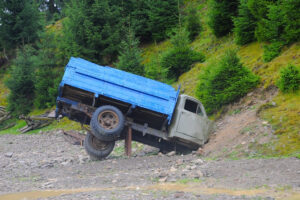
In 2023, large trucks were involved in 12% of all fatal U.S. crashes, according to the National Safety Council. Anchorage, Alaska, has a high-risk environment for road accidents. Since 2016, the city has witnessed 92 deaths due to truck accidents or car accidents.
If you were hurt in a truck accident near the Anchorage Museum, in the South Anchorage, or anywhere within the city limits, the stakes could not be higher. An experienced Anchorage truck accident lawyer can help you understand your rights and pursue the full compensation you deserve under Alaska law.
Business, Tour, and Residence
Vacation trips to Alaska range from $2,500 to $5,000 per person, covering flights, hotels, transportation, and activities. Visiting in late summer, around August till October, often yields better rates, ideal weather, and an awesome aerial view, not to mention the events. The land of glaciers not only offers sights of wildlife, including bear, salmon, mountain goats, moose, and other habitats.
Budget-friendly attractions include trails near Turnagain Arm, the Anchorage Museum, Lake Hood Seaplane Base, and wildlife viewing for moose, dall sheep, and beluga whales along Cook Inlet. Day trips to Matanuska Valley or along the Knik River add memorable experiences at a modest cost.
Alaska’s population is over 738,000, and the Anchorage metropolitan area has the highest share of the state’s population, with over 405,000 residents as of 2025. Anchorage lies 120 miles North of Seward city, and is about 350 miles south of Fairbanks.
Downtown Anchorage is generally safe during daylight hours, with popular community spots like the Anchorage Museum drawing visitors year-round. However, midtown and East downtown Anchorage is prone to accidents, with reports of nearly 100 pedestrian deaths.
Alaska Anchorage Laws
Alaska Anchorage is an at-fault state. This means that the driver responsible for a truck crash bears financial liability for resulting injuries. This matters greatly when filing an Anchorage accident claim, because you must establish negligence to recover damages.
Alaska follows a pure comparative fault rule under Alaska Statute 09.17.060. Even if you were partially responsible, you can still recover compensation, though your award is reduced by your percentage of fault.
Alaska also requires minimum auto liability coverage under Alaska Statute 28.22.101. Commercial trucks carry higher minimum limits, and federal FMCSA rules may require even greater coverage depending on what cargo the truck hauls.
Knowing these rules is only part of the challenge. Acting quickly after an Anchorage 18-wheeler accident is just as critical to protecting your claim.
What the Statute of Limitations Means for You
Under Alaska Statute 09.10.070, most personal injury claims must be filed within two years of the injury. Missing this deadline eliminates your right to any recovery, regardless of how strong your case is.
Truck accident cases often require extensive investigation, so contacting an Alaska personal injury attorney as soon as possible gives your legal team time to gather evidence before it disappears.
What Evidence to Gather at the Scene
The moments after a truck crash in the Anchorage area are chaotic, but the evidence you collect can make or break your case. Document everything you safely can before vehicles are moved or the scene is cleared.
Take photos of vehicle positions, road conditions, skid marks, and any visible cargo. Note the weather and time of day, as late summer and winter conditions along roads near Cook Inlet or Turnagain Arm create distinct liability factors.
Beyond photos, there are specific records tied to commercial trucking that your truck crash attorney, Alaska, will need to act on immediately.
Critical Trucking Records to Preserve
Commercial trucks carry electronic logging device (ELD) data, black box records, and inspection logs that can prove hours-of-service violations or mechanical failures. Attorneys can send preservation letters to prevent trucking companies from destroying this evidence.
The FMCSA requires carriers to retain certain records for defined periods, but those windows close fast. Immediate investigation secures electronic logging device data and inspection reports before they are lost.
Your attorney will also investigate other liable parties beyond the driver, including the motor carrier, cargo loaders, and maintenance providers. This multi-party approach is essential in complex Anchorage 18-wheeler accident cases.
Why Anchorage Victims Need a Local Attorney
Truck accident cases are governed by both Alaska state law and federal FMCSA regulations, making them far more complex than standard car crashes. A truck crash attorney Alaska who knows both frameworks is essential.
Choose an attorney familiar with Anchorage-specific courts and judges, as well as the impact of local conditions on liability. Roads near downtown Anchorage, Ship Creek, and the Anchorage bowl carry unique traffic patterns that affect how accidents are reconstructed and argued.
Verify your attorney is in good standing with the Alaska Bar Association and has handled commercial vehicle litigation. Top attorneys bring a network of experts, including accident reconstructionists, medical professionals, and economists, to build a complete picture of your losses.
Effective representation also means clear communication and a fair fee structure, so you always know where your case stands.
Contingency Fees and Client Communication
Most reputable Anchorage firms operate on a contingency fee basis, meaning you pay nothing unless you win. This gives every injured victim, regardless of financial situation, access to a qualified Alaska personal injury attorney.
Talk to an Anchorage Truck Accident Lawyer Today
If you or someone you love was hurt in a truck crash, time matters. Evidence disappears, deadlines approach, and insurance companies move fast to limit what they pay. The legal team at Lowe Law Group understands Alaska’s trucking laws and knows how to fight for full compensation on your behalf.
Your consultation is free, and you pay nothing unless we win. So, contact our Anchorage office today!