

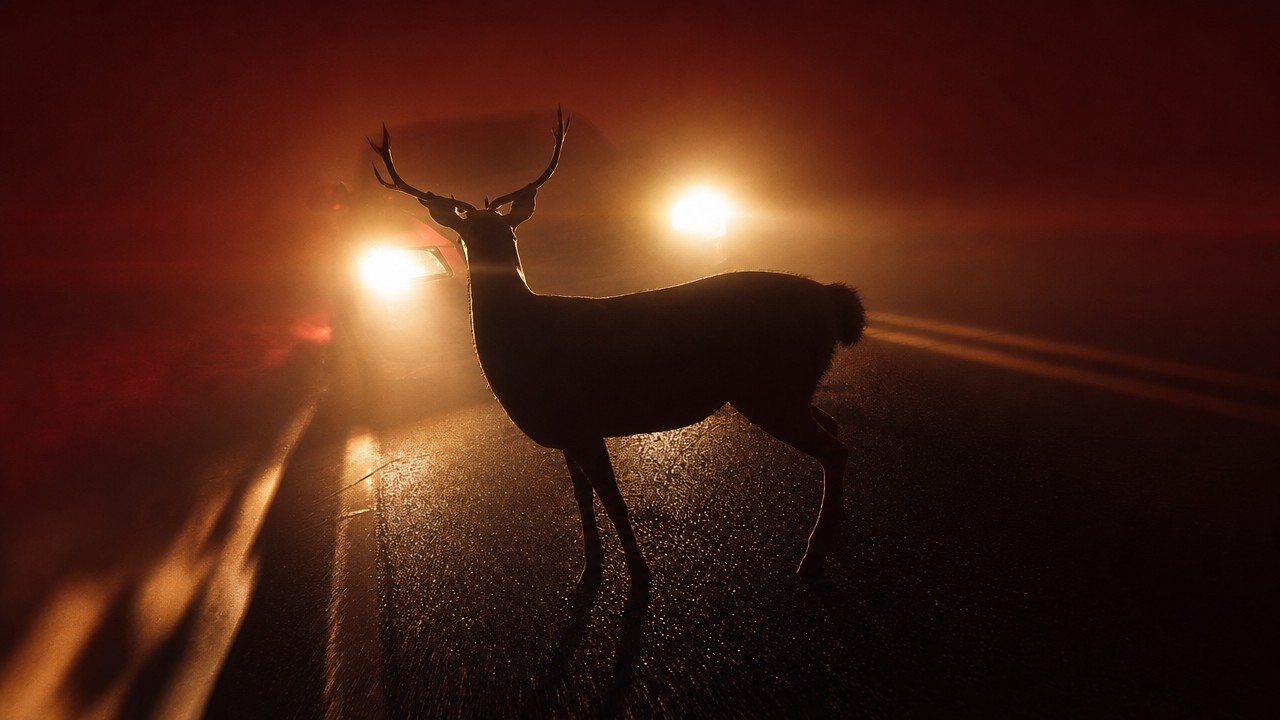
Animal car accidents involving wildlife are more common than many drivers realize. Whether it is a deer, dog, or another animal, these crashes can be frightening and dangerous. Animal collision wrecks often happen suddenly, leaving drivers unsure of what steps to take next.
If you are involved in an animal accident, knowing what to do after hitting an animal on the road can help protect your safety, document the incident properly, and avoid insurance complications.
Step 1: Stay Calm and Make Safety the Priority
One of the first things to do after an animal collision wreck is to stay calm and assess the situation. Check yourself and any passengers for injuries. If anyone is hurt, call 911 immediately.
If your vehicle is still operational, move it out of traffic when it is safe to do so. Turn on your hazard lights to alert other drivers. Animals getting hit by cars can cause serious vehicle damage and create road hazards for oncoming traffic.
Step 2: Call the Police and Report the Animal Collision Wreck
Reporting the crash is an important step after animal-car accidents. Law enforcement can create an official report, help manage traffic, and determine whether wildlife officials or animal control should be contacted.
A police report can also be helpful when filing an insurance claim. Even if the animal ran away or the damage appears minor, having documentation can prevent insurance disputes later.
Step 3: Avoid Approaching the Animal
After an animal accident, do not attempt to approach or move the animal yourself. Injured animals can have unpredictable behavior and may have dangerous reactions out of fear.
If the animal is still in the roadway, let law enforcement handle the situation. This helps protect your safety and ensures the animal is handled properly by trained professionals.
Step 4: Document the Scene and Vehicle Damage
Documenting the crash is one of the most important steps after an animal collision wreck. Take photos of your vehicle damage, the road conditions, and the surrounding area. If the animal is visible, photograph it from a safe distance.
These images can support your insurance claim and show how the accident occurred. Documentation is especially important in animal car accidents where fault or coverage questions may arise.
Step 5: Seek Medical Attention Even If Injuries Seem Minor
Even when driving at a low speed, animal accidents can cause injuries such as whiplash, back pain, or internal injuries. Adrenaline can mask symptoms at first.
Seeing a medical professional as soon as possible creates a record of your injuries and ensures you receive proper care. Medical documentation is often required when seeking compensation after an animal collision wreck.
Step 6: Notify Your Insurance Company
Contact your insurance company promptly to report the animal accident. Provide accurate information about what happened, but avoid making assumptions about fault or coverage. Insurance companies may take this as admission to being at fault for the accident.
Some animal car accidents may be covered under comprehensive insurance, while others depend on the circumstances. Understanding your policy is critical before agreeing to repairs or settlements.
Step 7: Speak With a Personal Injury Attorney if You Were Injured
If you suffered injuries or significant damage, speaking with a personal injury attorney can be helpful after an animal collision wreck. An attorney can review your case, explain your rights, and help you navigate insurance issues. In some situations, consulting an experienced car accident lawyer can help you understand your legal options and deal with insurance companies more effectively.
At Lowe Law Group, we help clients understand their options after unexpected accidents involving animals. You can learn more about our approach on our Car Accident page or speak directly with our team to discuss your situation. Fill out our free case consultation form to get clear guidance on your rights and the next steps available to you.
Common Causes of Animal Collision Wrecks
Animals getting hit by cars often occur in rural areas, during early morning or nighttime hours, or during seasonal migration periods. Speed, limited visibility, and sudden animal movement all increase the risk.
Being aware of high-risk areas and slowing down when animals are present can reduce the chance of an accident.
If you haven’t been in an animal accident yet, but you see an animal that’s been hit on the road, you must report it to your state’s local roadkill reporting system to prevent future accidents.
Animal collision wrecks can be sudden and frightening, but knowing what to do after hitting an animal on the road can make a difficult situation more manageable. From staying safe to documenting the crash and understanding your insurance options, each step matters. If you have been injured in an animal accident and need guidance, speaking with an experienced personal injury attorney can help you move forward with confidence.